HISTORY
We acknowledge that we are on the traditional and ancestral homelands of the Mono Lake Kootzaduka’a Tribe, the southernmost band of the Numu (Northern Paiute) people, who have lived, gathered, and cared for this land since time immemorial.
PAST & PRESENT
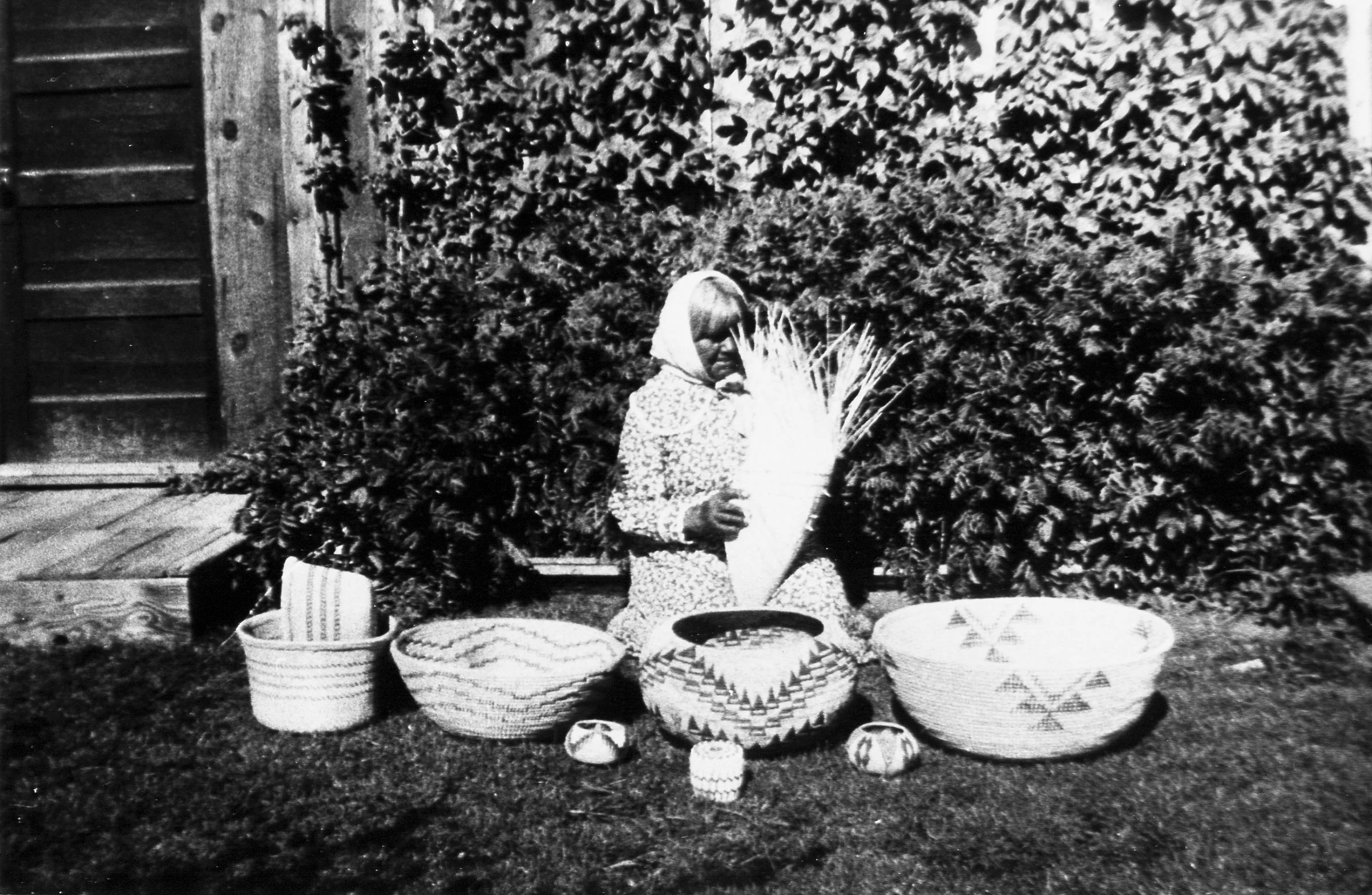
FIRST NATION
The Kootzaduka’a Paiute called the Mono Basin home. They harvested alkali fly pupae from Mono Lake and cared for these lands for generations. Their community continues today.
LATE 1800’s
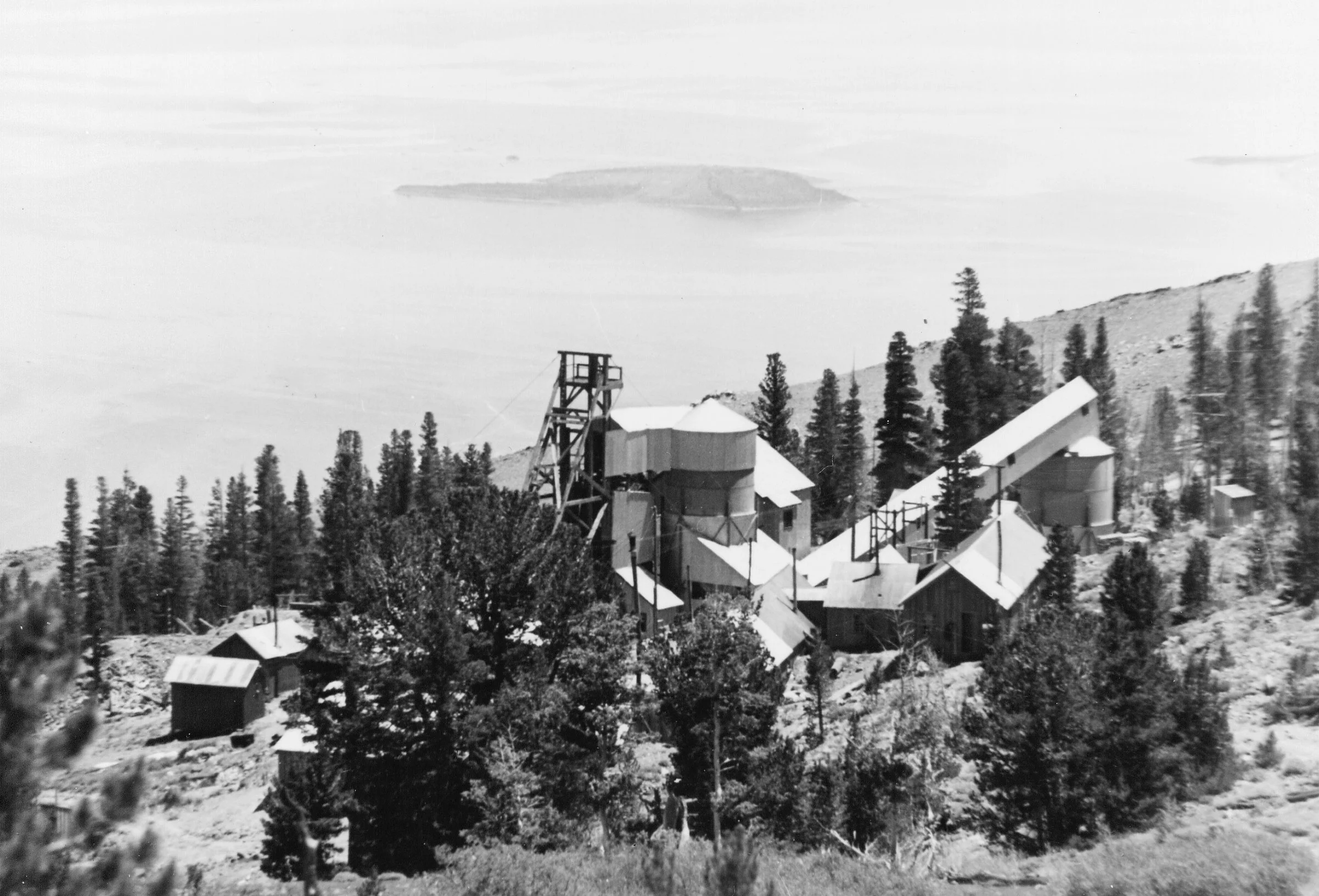
MINING ERA
Gold discoveries at Mono Diggings, Bodie, Lundy, and other nearby camps brought miners, ranchers, and travelers to the Mono Basin.
EARLy 1900’s
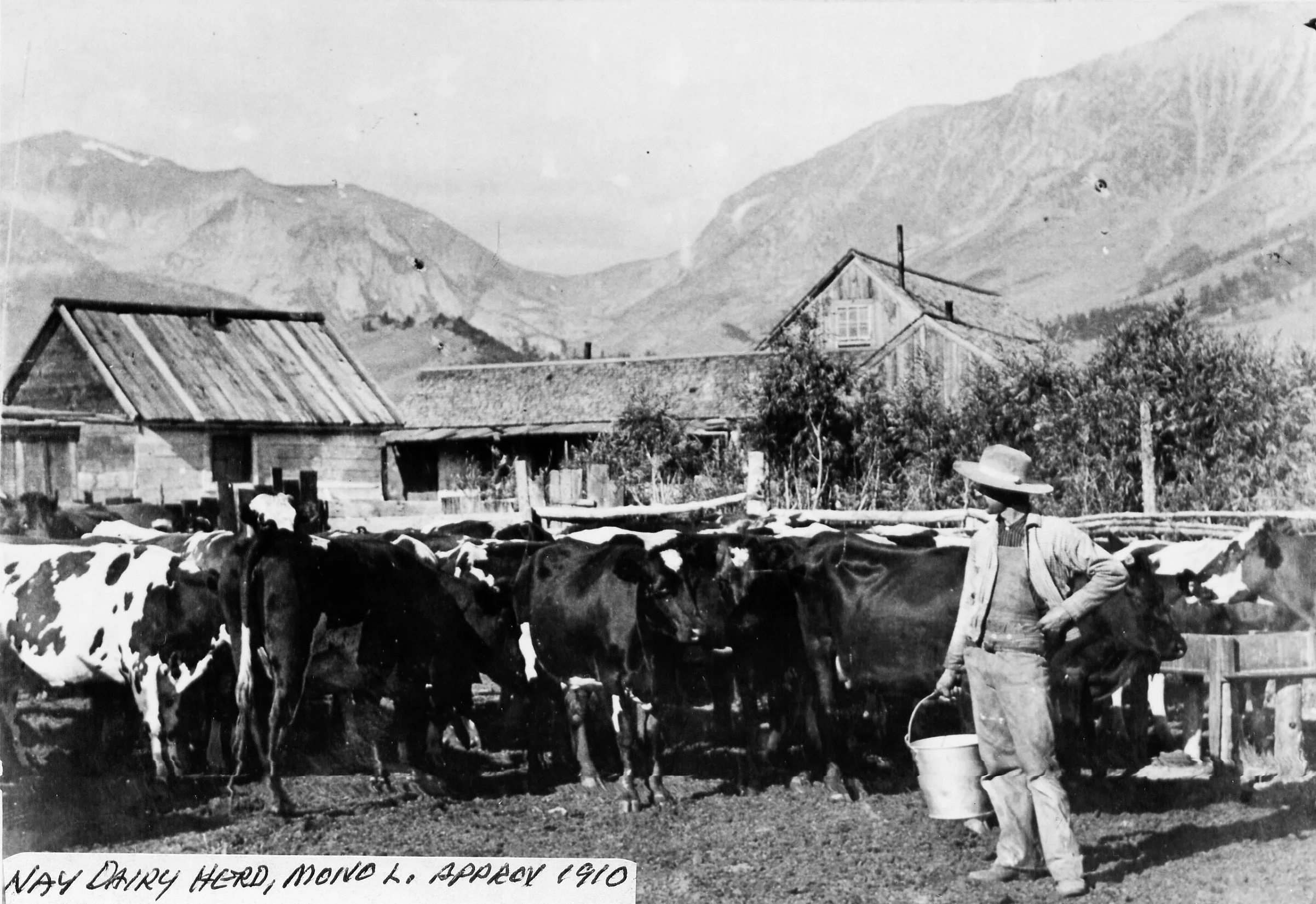
RANCHES & FARMS
Local families raised livestock & grew crops to supply the region’s mining communities. They worked through harsh winters and the Mono Basin’s short growing season.
EARLy 1900’s
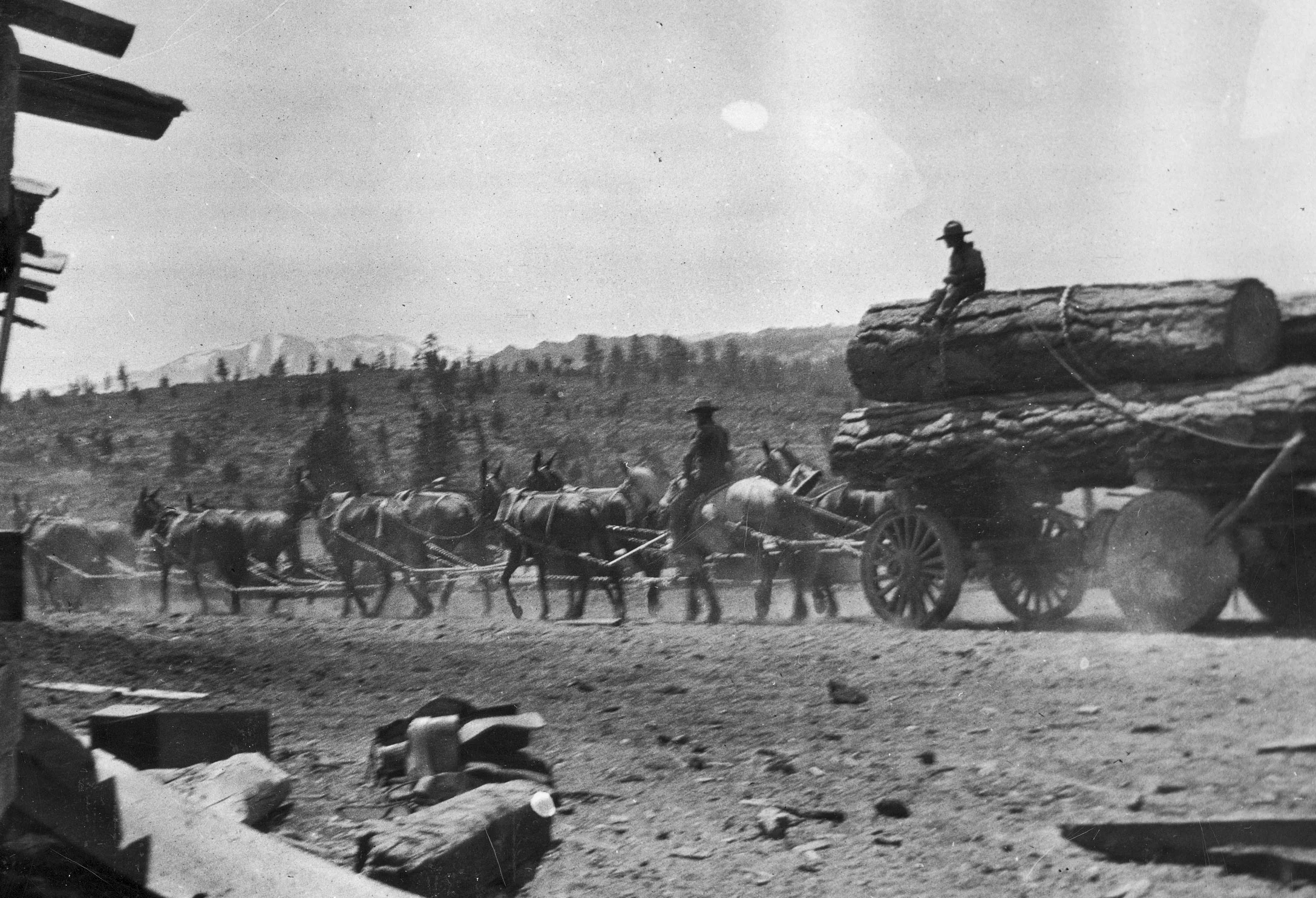
TIMBER & TRANSPORTATION
Surrounding forests supplied firewood and lumber for mines and towns. Steamships carried timber across Mono Lake, and a railroad later connected Mono Mills with Bodie.
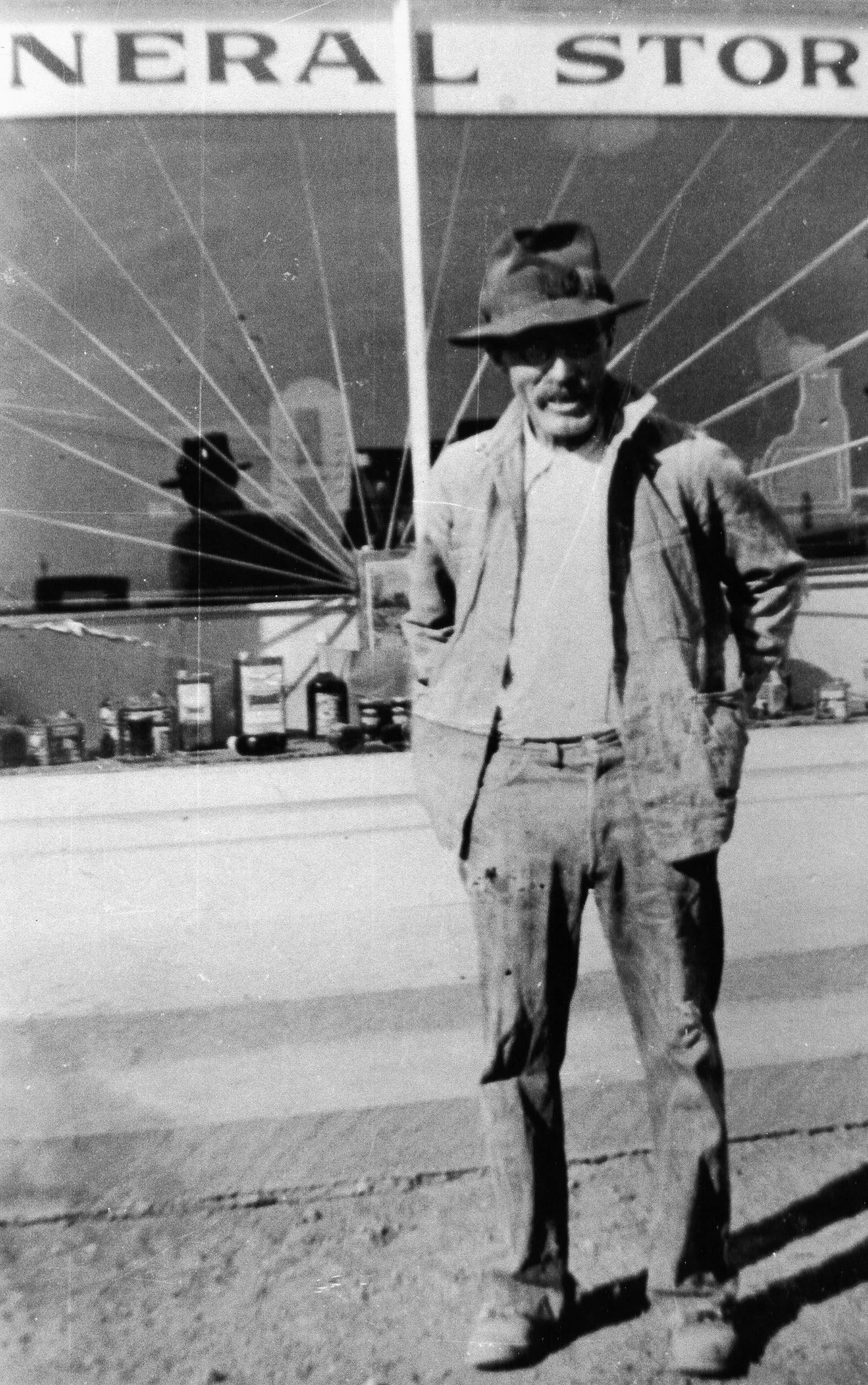
1926
A TOWN IS FOUNDED
In 1926, rancher Chris Mattly founded the community first known as Leevining. Its location made it a natural stopping place for travelers along the way.
EasternSirra.
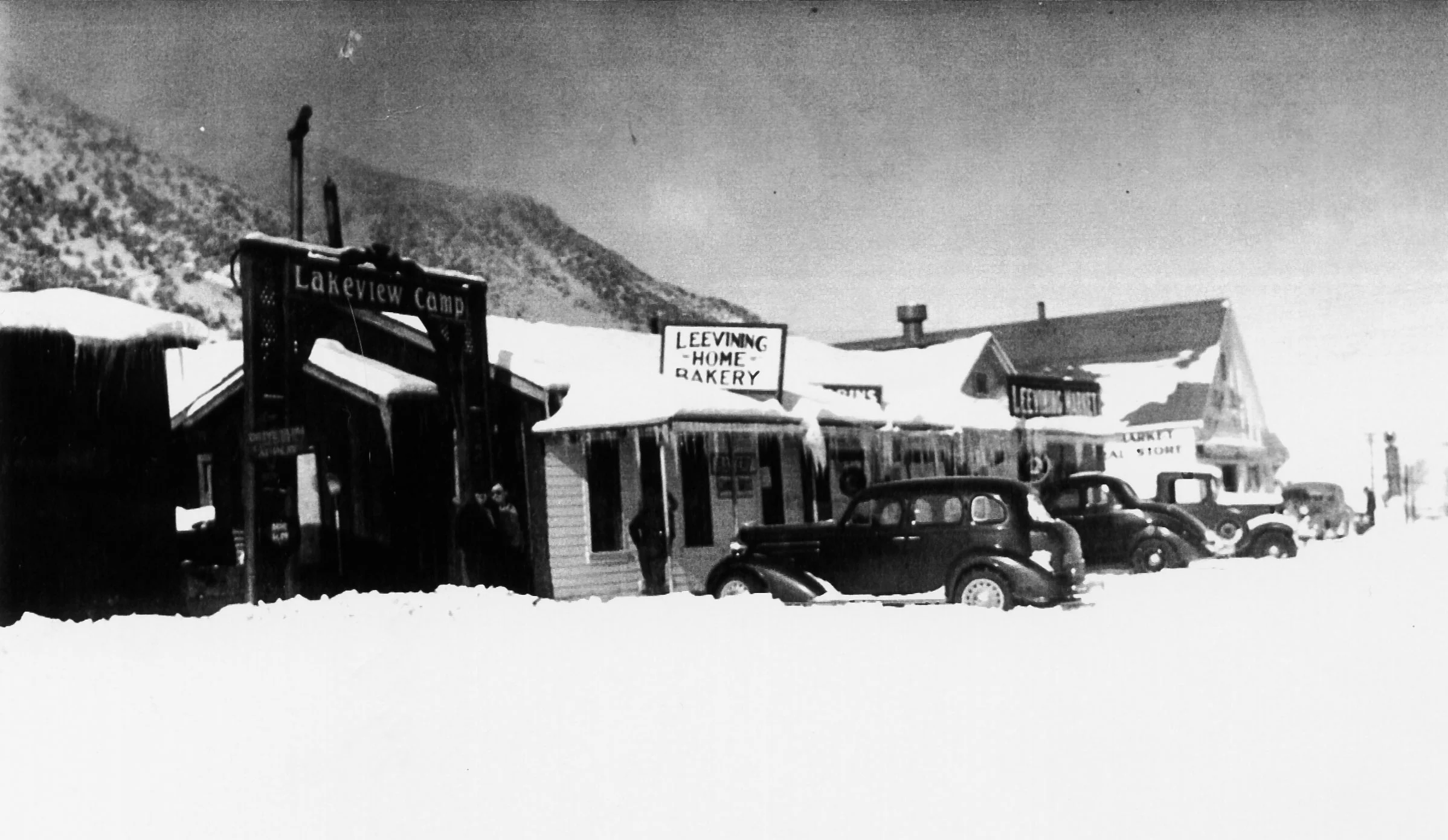
TBD
A COMMUNITY AT THE CROSSROADS
Stores, service stations, garages, motels, restaurants, and bars grew along the highway—serving residents and welcoming travelers headed through the Mono Basin and across the Sierra.
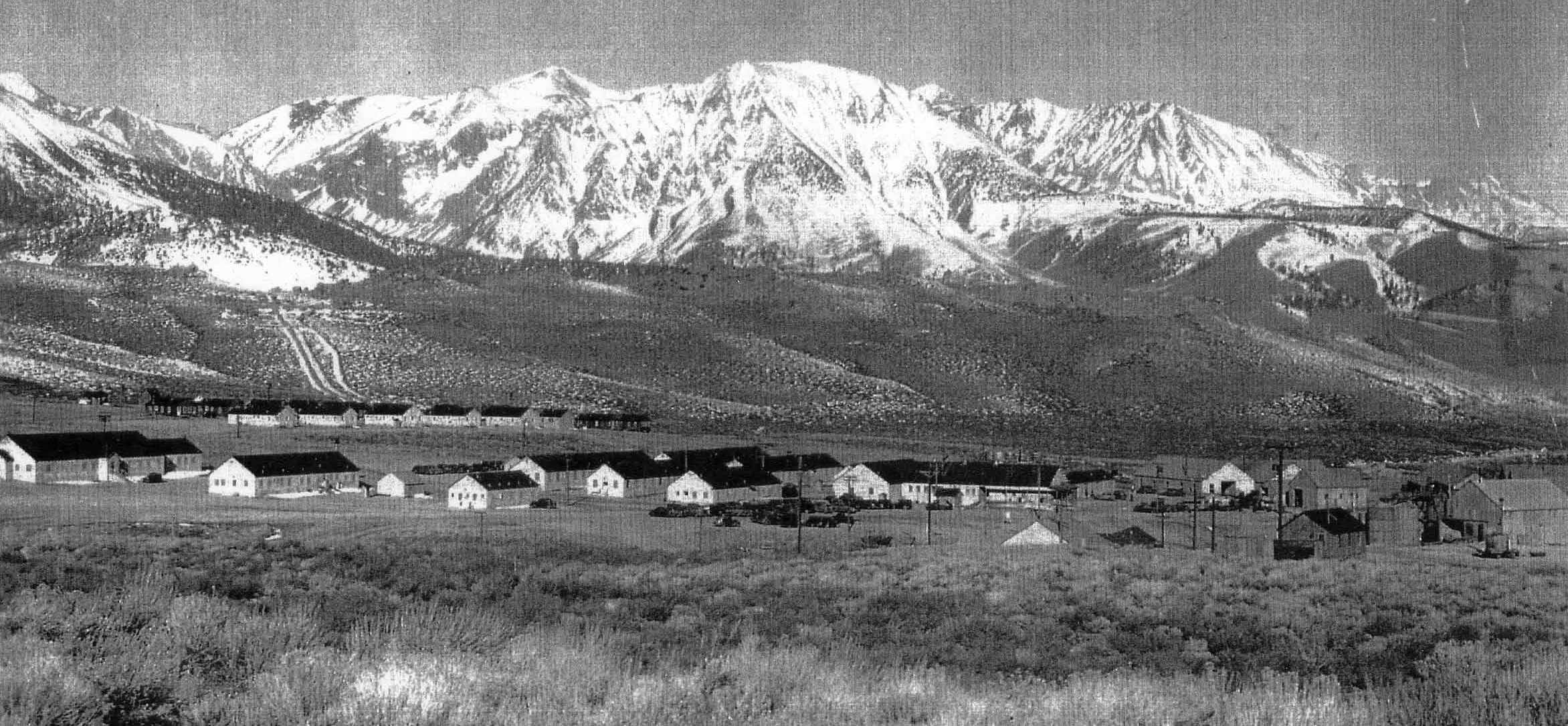
1934-1941
THE BOOM YEARS
From 1934 to 1941, construction of the Los Angeles Aqueduct extension brought workers and rapid growth. Lee Vining became a lively center for the surrounding construction camps.
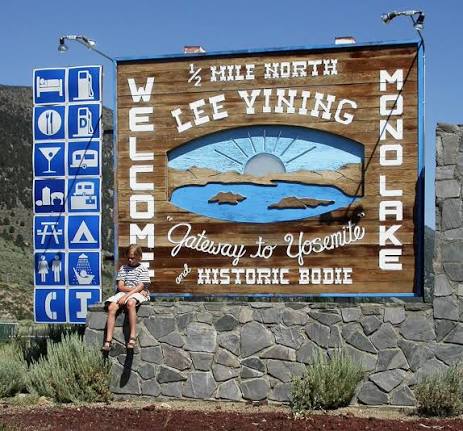
1957
A TOWN IS RENAMED
the town’s name officially changed from one word—Leevining—to the two-word spelling used today: Lee Vining
Eastern Sierra.
1978
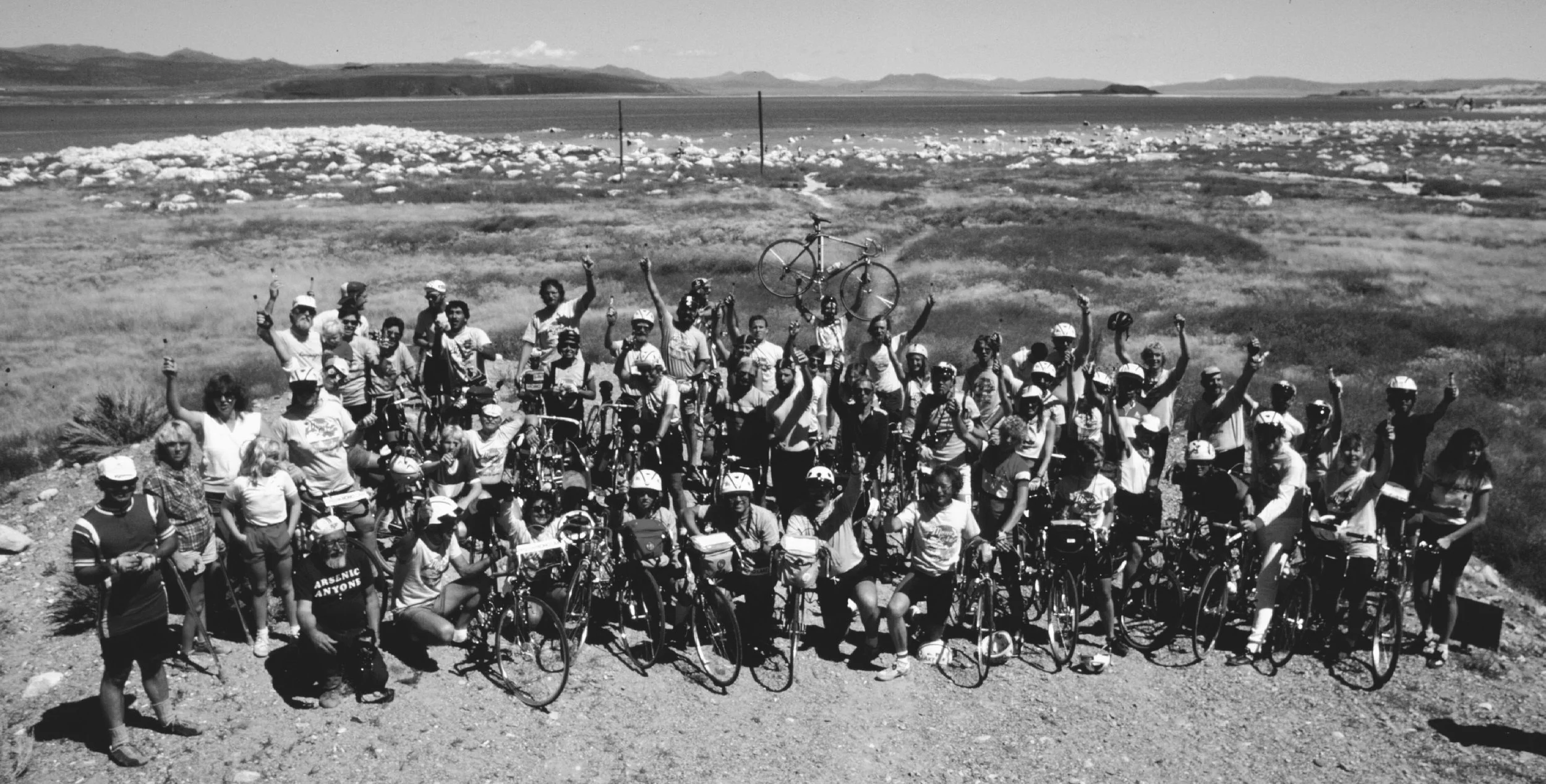
SAVING MONO LAKE
The Mono Lake Committee was founded in Lee Vining in 1978. Years of advocacy led to a landmark 1994 decision to reduce water diversions and protect the lake and its tributary streams.
2026
LEE VINING
CENTENNIAL
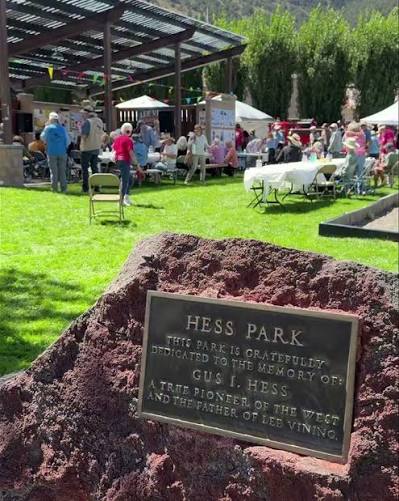
Lee Vining celebrated its 100th anniversary with a lively, well-attended community gathering at Guess Hess Park.
JOURNAL
-
MAMMOTH TIMES: Local author immerses readers in ‘Deep Time in the Mono Lake Basin’
In the introduction to his latest book, “Deep Time in the Mono Lake Basin: Nature and History Over the Last 10,000 Years,” published in May by the University of California Press, author and June Lake resident Robert B. Marks is quick to explain the difference between natural and environmental history.
-
Bodie | Explore | History | Lee Vining
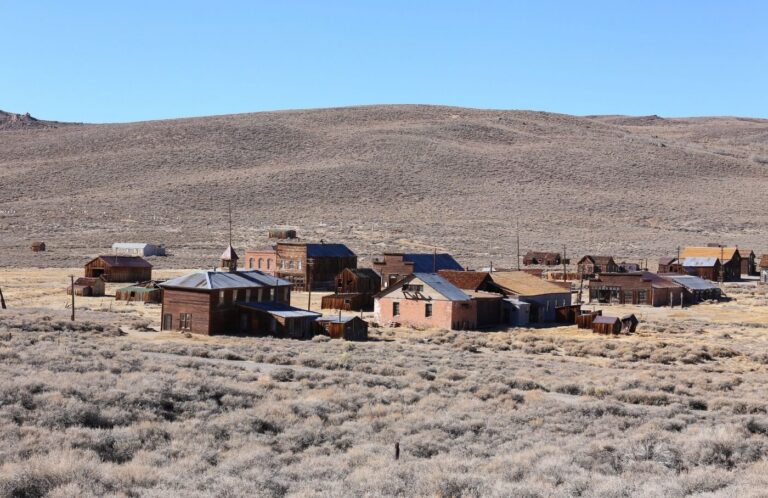
THE COMPLETE GUIDE TO BODIE GHOSTOWN
Weathered wooden buildings, quiet streets, and windows into another century make Bodie ghost town a memorable Eastern Sierra day trip. This former gold-mining community is now Bodie State Historic Park, where California’s mining history remains visible in the buildings and belongings left behind. For travelers staying in Lee Vining, Bodie offers a change of perspective:…
-
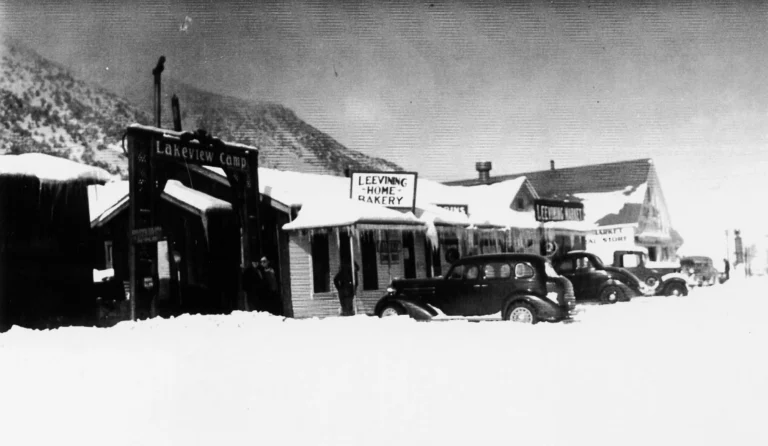
The History of Lee Vining, California: 100 Years at the Crossroads
The History of Lee Vining, California: 100 Years at the Crossroads The history of Lee Vining brings together mountain travel, mining, community life, and the protection of Mono Lake. For travelers arriving along Highway 395, the town is a place to stop for a meal, settle in for the night, or turn west toward Yosemite….
VISIT THE MONO BASIN HISTORY MUSEUM IN LEE VINING
The Mono Basin Historical Society (MBHS) is a non-profit citizens’ group dedicated to the preservation, protection, and interpretation of the Kootzaduka’a Paiute, pioneer, and mining heritage of the Mono Basin.