The Complete Visitor’s Guide to Mono Lake
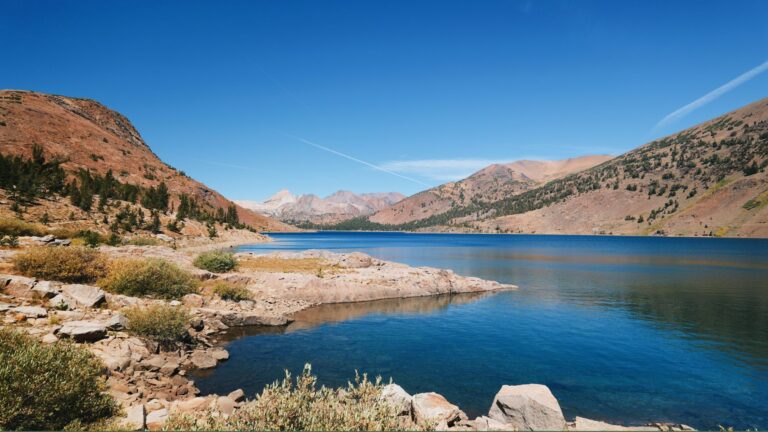
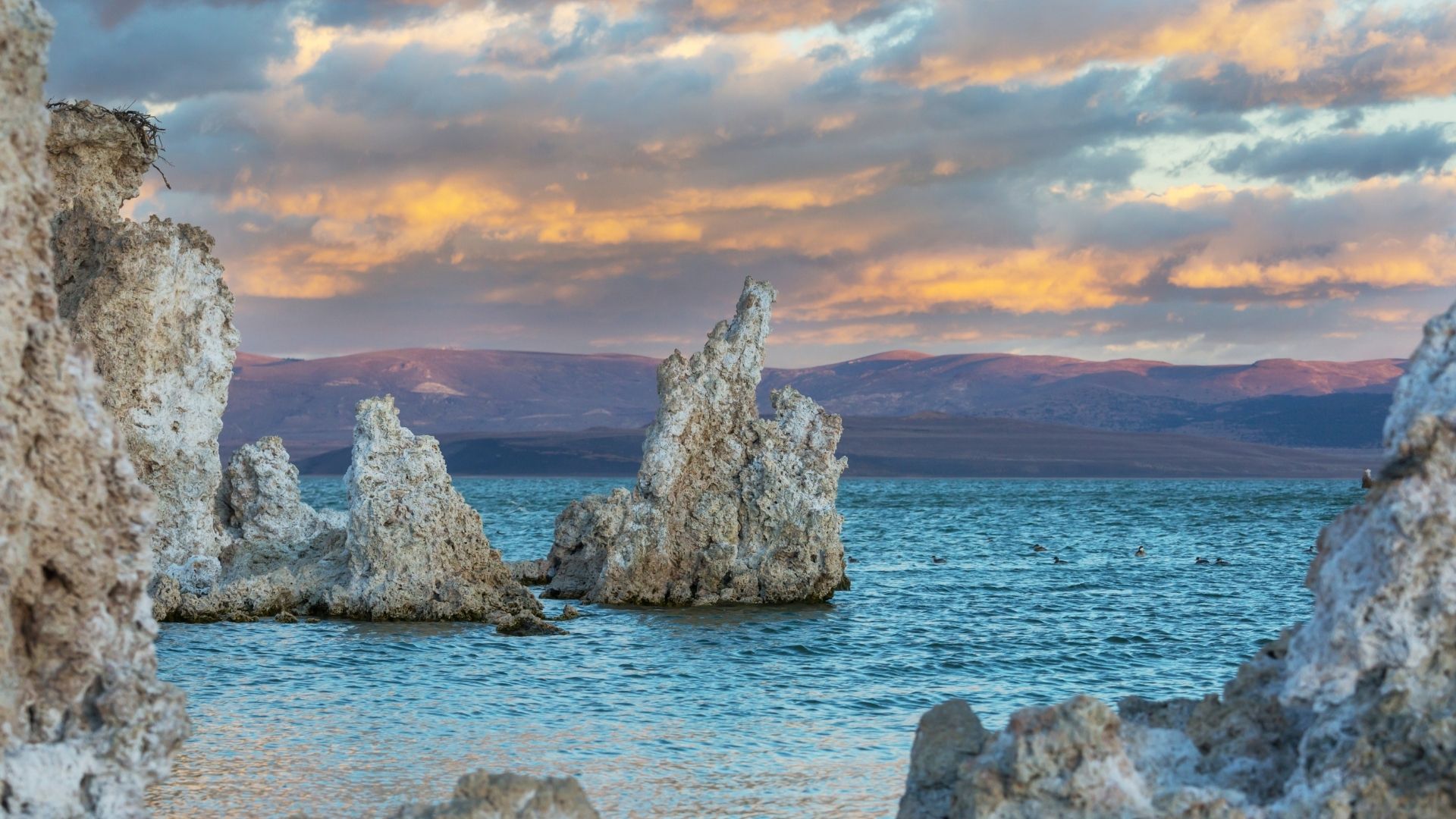
Tufa towers rise beside open water, birds gather along the shoreline, and the Sierra Nevada forms a dramatic backdrop. Mono Lake invites you to slow down, look closely, and discover a landscape unlike the mountain lakes nearby.
This Mono Lake visitor guide will help you choose where to go, understand what you’re seeing, and plan your time from Lee Vining. Whether you have a few hours or several days, start with a shoreline walk and leave room for the details.
Access update, September 18, 2026: California State Parks lists the County Park boardwalk as closed until further notice because of the Inn Fire. Check the reserve’s current notices before visiting.
Where Is Mono Lake?
Mono Lake lies beside Lee Vining along Highway 395, east of Yosemite National Park. Its location makes it a natural stop on an Eastern Sierra road trip on Highway 395.
Start in town at the Mono Lake Committee Information Center & Bookstore, at Highway 395 and Third Street. It’s a useful place to ask about access, pick up information, and decide which stops suit your day. Check the information center’s website for current hours.
Before driving to the shore, select a specific destination. South Tufa, Old Marina, and County Park are separate access points, so entering only “Mono Lake” into your navigation app may not take you where you intend to go.
What Makes Mono Lake Special?
Mono Lake has no outlet. Water evaporates while dissolved salts and minerals remain, creating salty, alkaline conditions. Yet the lake supports a remarkably productive ecosystem. California State Parks
Algae feed brine shrimp and alkali flies, which provide food for birds. The lake’s unusual chemistry supports this distinctive food web rather than a typical freshwater fish community. Mono Lake Committee’s explanation of the lake’s ecology
The famous tufa towers formed underwater where calcium-rich springs mixed with carbonate-rich lake water. The resulting limestone accumulated around the springs. Falling water levels exposed many of the formations visitors see today. Learn how Mono Lake’s tufa forms
The Best Places to Visit at Mono Lake
South Tufa: Start Here for the Famous Towers
For a first visit, make South Tufa your main stop. Its approximately one-mile interpretive trail brings you among the formations and along the shore. California State Parks recommends it for visitors with time for only one location. South Tufa visitor information
From Lee Vining, head south on Highway 395, then east on Highway 120 toward the signed South Tufa turnoff and Test Station Road. The USGS field guide provides route details.
Allow about an hour for an unhurried visit, or longer if you enjoy photography and reading interpretive signs. Treat that as a planning suggestion, with extra time for your group’s walking pace.
Old Marina: Another Perspective on the Lake
Old Marina offers another view of Mono Lake near Lee Vining. It can be a useful additional stop if you want to see how the shoreline and formations differ from South Tufa. The USGS Mono Lake guide identifies the marina as a lake-viewing location.
Choose one place to explore fully before adding more stops. A quiet stretch spent watching the water can be more memorable than rushing between viewpoints.
County Park: Check Boardwalk Access First
County Park’s boardwalk provides access to north-shore wetlands and tufa when open. Because the boardwalk is currently listed as closed, confirm reopening before including it in your plans. California State Parks access updates
Things to Do at Mono Lake
Take a Guided Walk
A guided walk can help connect the lake’s geology, wildlife, and human history. The Mono Lake Committee offers walks, tours, and field seminars, with schedules varying by program and season.
Look through its visitor activities and calendar before your trip. If a particular program interests you, plan around its actual availability.
Watch Birds and Shoreline Life
Bring binoculars and spend time observing rather than approaching wildlife. Watch how birds feed, move between habitats, and respond to one another.
You don’t need a long species list to enjoy the experience. Choose one bird and follow its behavior for a few minutes. Leave space around feeding and resting groups, and avoid disturbing nests.
Photograph the Tufa
Try photographing both broad landscapes and smaller details. Side lighting can reveal the texture of the formations, while a wider composition places them against the lake and mountains.
Tufa is fragile. Photograph it from the ground, never climb on it, and leave all pieces where they belong. Mono Lake Committee tufa protection guidance
Consider a Canoe Tour
A guided canoe outing offers a different perspective from a shoreline walk. Check the Mono Lake Committee’s canoe tour information for availability, participant requirements, and meeting instructions.
Follow the directions for your specific booking. Launch access and meeting arrangements can change, so an old itinerary may be misleading.
When Should You Visit Mono Lake?
Choose your timing around the experience you want and the conditions you’re prepared for.
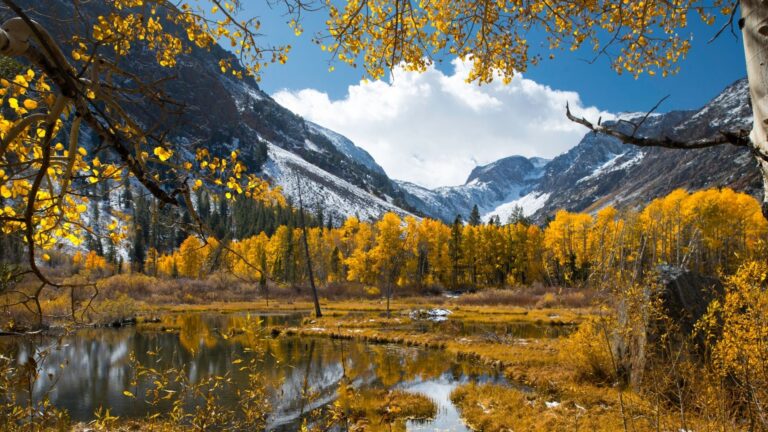
For guided activities, consult the program calendar before booking your stay. For photography, consider an early or late visit within posted access hours. If you want to combine the lake with autumn scenery, use our Lee Vining fall colors guide to plan nearby outings.
Winter requires extra flexibility. Snow and road conditions can affect shoreline access. Review the Mono Lake Committee’s current conditions page and confirm your route before setting out.
A Simple Half-Day Mono Lake Itinerary
Use this flexible outline for a first visit:
- Begin in Lee Vining. Visit the information center when open, check conditions, and collect food and water.
- Explore South Tufa. Walk slowly, read the signs, and pause to observe the shoreline.
- Leave room for one additional activity. Choose a scheduled guided program or another open viewpoint.
- Return to town for a meal. Keep the rest of your day flexible rather than trying to visit every access point.
With more time, plan a separate outing using our Bodie ghost town guide.
Understand the Place You’re Visiting
Mono Lake is part of the homeland of the Kootzaduka’a, whose relationship with the region continues today. Read about the Kootzaduka’a and their connection to the Mono Basin and explore the Tribe’s own website.
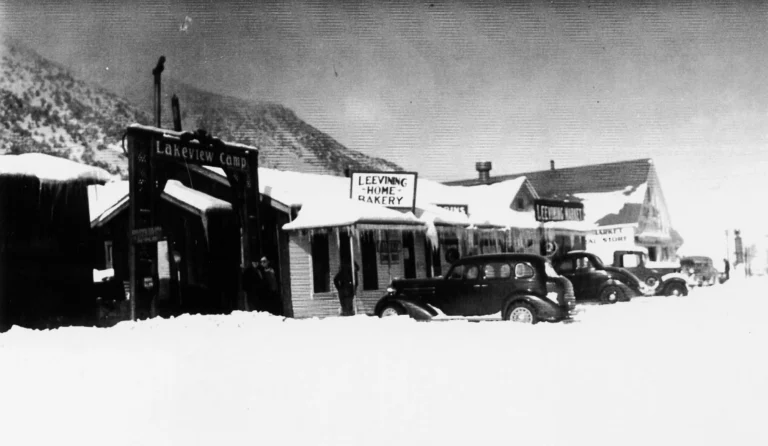
The lake also plays a central role in the history of Lee Vining, including the region’s conservation story. Taking time to learn this context adds depth to what you see along the shore.
Practical Questions About Visiting Mono Lake
Is there an entrance fee?
Fees and accepted passes depend on the site you visit. Check the posted requirements at your destination rather than assuming one payment covers every access point.
Can you swim in Mono Lake?
Yes. Its salty water makes swimmers especially buoyant, but keep it out of your eyes and cuts because it can sting. Check local conditions before entering. California State Parks swimming information
Can you bring a dog?
Dogs are allowed in many areas, but California State Parks excludes them from County Park and the reserve boardwalk. Follow site-specific signs. Current pet restrictions
What should you bring?
Pack water, snacks, sun protection, layers, comfortable shoes, and a charged phone. Binoculars are useful for wildlife viewing. Save directions before leaving town and carry out everything you bring.
Stay in Lee Vining and Give the Lake More Time
Staying in Lee Vining makes it easier to build an unhurried visit around the lake. Plan one main outing, return to town for a break, and leave time to follow an interest sparked along the way.
Start with South Tufa, learn what makes the lake work, and spend a few minutes simply watching. The longer you look, the more there is to notice.