BIRDING
RECREATE RESPONSIBLY
BIRDING IN LEE VINING
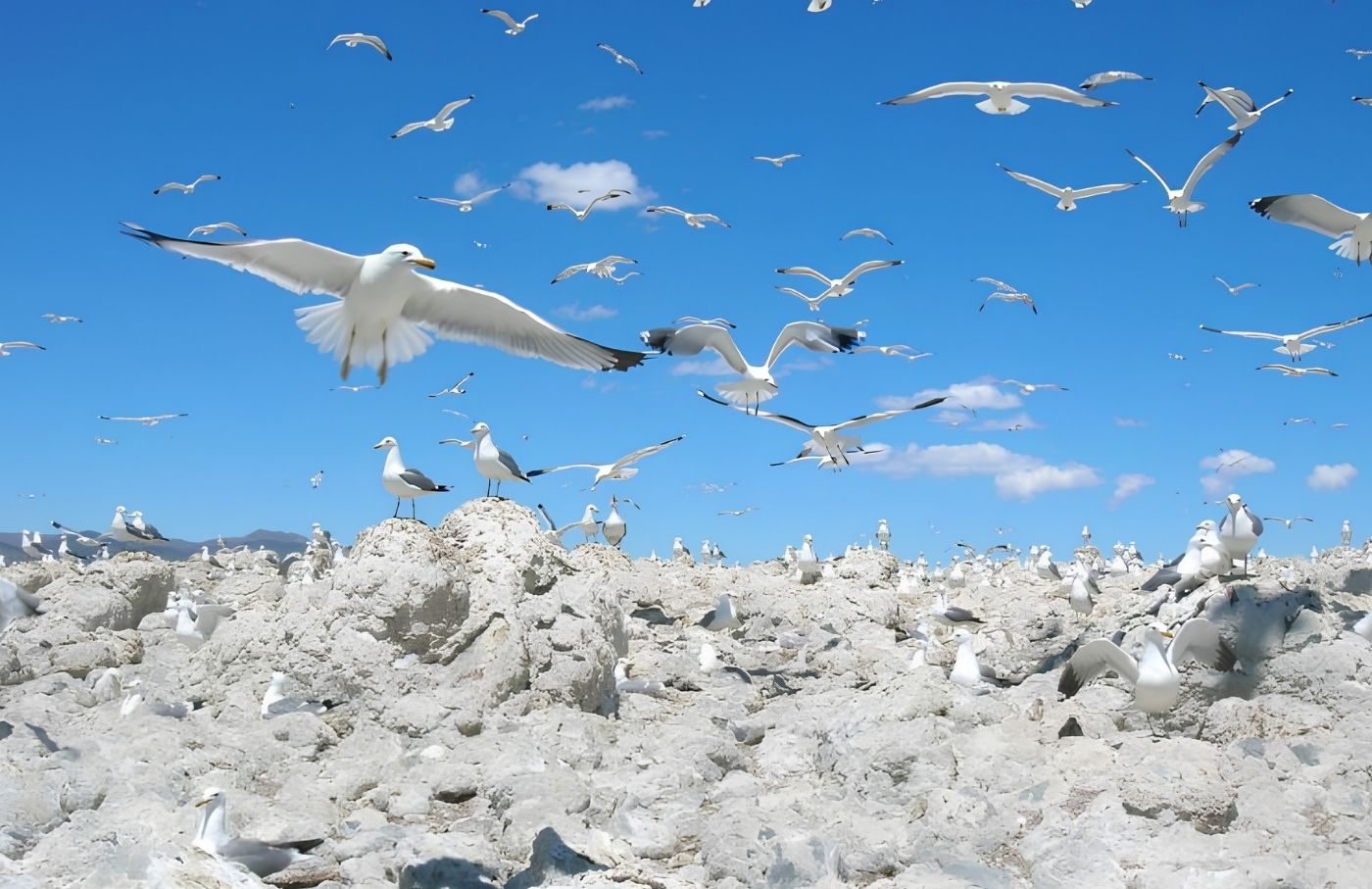
Lee Vining sits at the crossroads of some of the Eastern Sierra’s richest bird habitat. Within just a few miles, birders can move from the shoreline and wetlands of Mono Lake to sagebrush, cottonwood and willow corridors, pine forest, and the higher elevations of Lee Vining Canyon.
JOURNAL
-
Birding | Lee Vining | Press | Recreation
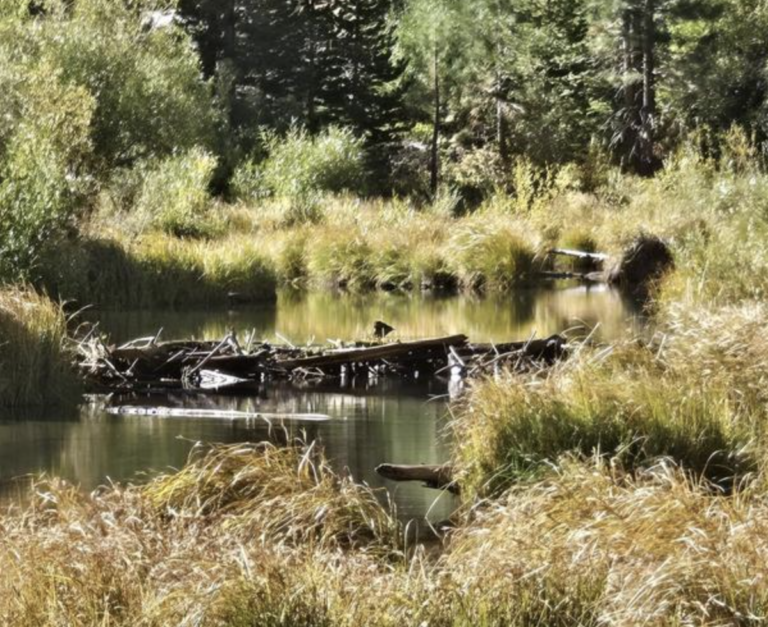
MAMMOTH TIMES: Lundy Canyon offers riches for the eyes and the soul: Birds, beavers, golden fall colors await
The Mono Lake Committee led its last Lundy Canyon Bird Walk of the season on Labor Day Saturday, but that doesn’t mean fun in the canyon and on Lundy Lake is over for the year. Far from it. There is still more than a month left before the first snows start to shut things down,…
MOUNTAIN MANNERS
Eastern Sierra Community Code
FOR LOCALS & VISITORS ALIKE ❤️
LEAVE NO TRACE
Please stay on designated trails, leave natural and cultural objects undisturbed, and pack out everything you bring. Trailhead and recreation-area trash cans fill quickly, especially on busy weekends and holidays—and bear lockers are not trash cans. If a bin is full, never leave bags beside it; take your trash with you and help keep public lands and gateway communities clean.
OPT OUT
OF FIRE
Ideally, skip the campfire and enjoy the stars instead. Fire restrictions can change quickly across Mono County, so always check current regulations before lighting a fire.
SHOP
LOCAL
Tourism places real demands on small gateway communities, from roads and public safety to restrooms, waste removal, and visitor services. When you shop, dine, and stay locally, the tax revenue you generate helps our county meet those demands and keeps local businesses—and the community—strong.
SLOW
DOWN
Slow down and enjoy the ride. Our roads travel through small towns, rural communities, wildlife corridors, and recreation areas. Speed limits change frequently and local roads may have pedestrians, cyclists, livestock, or wildlife nearby.
KNOW
YOUR LIMITS
Our region spans dramatic elevation changes and diverse landscapes. A short walk can quickly become a strenuous adventure due to heat, altitude, weather, or terrain. Carry plenty of water, know your route, start early, and choose activities that match your experience and fitness level. If you’re bringing a dog, remember they experience heat, rough terrain, and altitude differently than people.
RESPECT
LOCALS &VISITORS
Our region is a collection of small, rural communities surrounded by public lands, where both locals and visitors, and animals belong. Be bear aware. Don’t feed the bears. Please respect those who call this place home, welcome those passing through, and treat everyone with patience, kindness, and consideration.